Головна сторінка Державної податкової служби України
 The only state web portal
of electronic services

-
State Tax Service
of Ukraine - Contacts
The only state web portal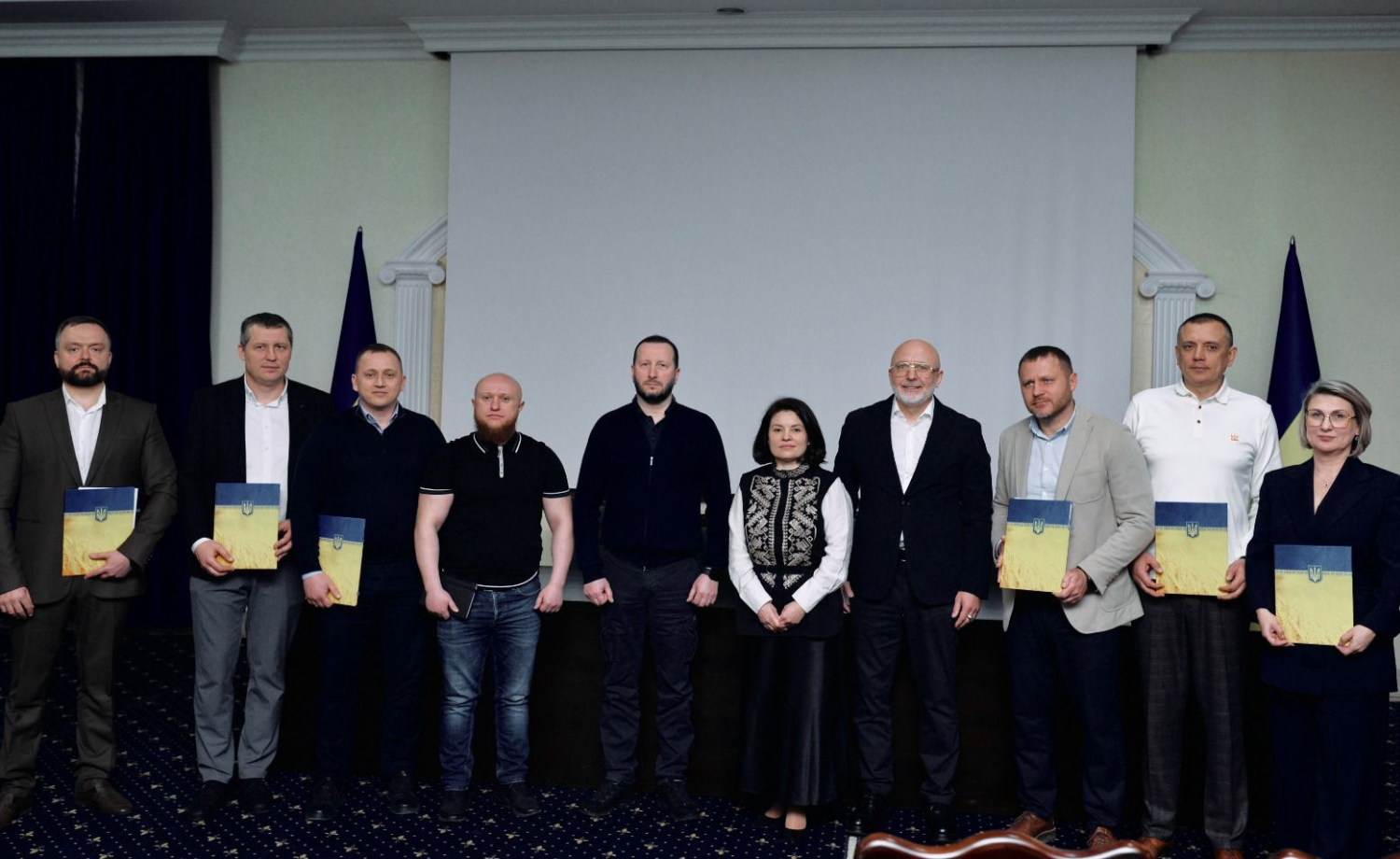
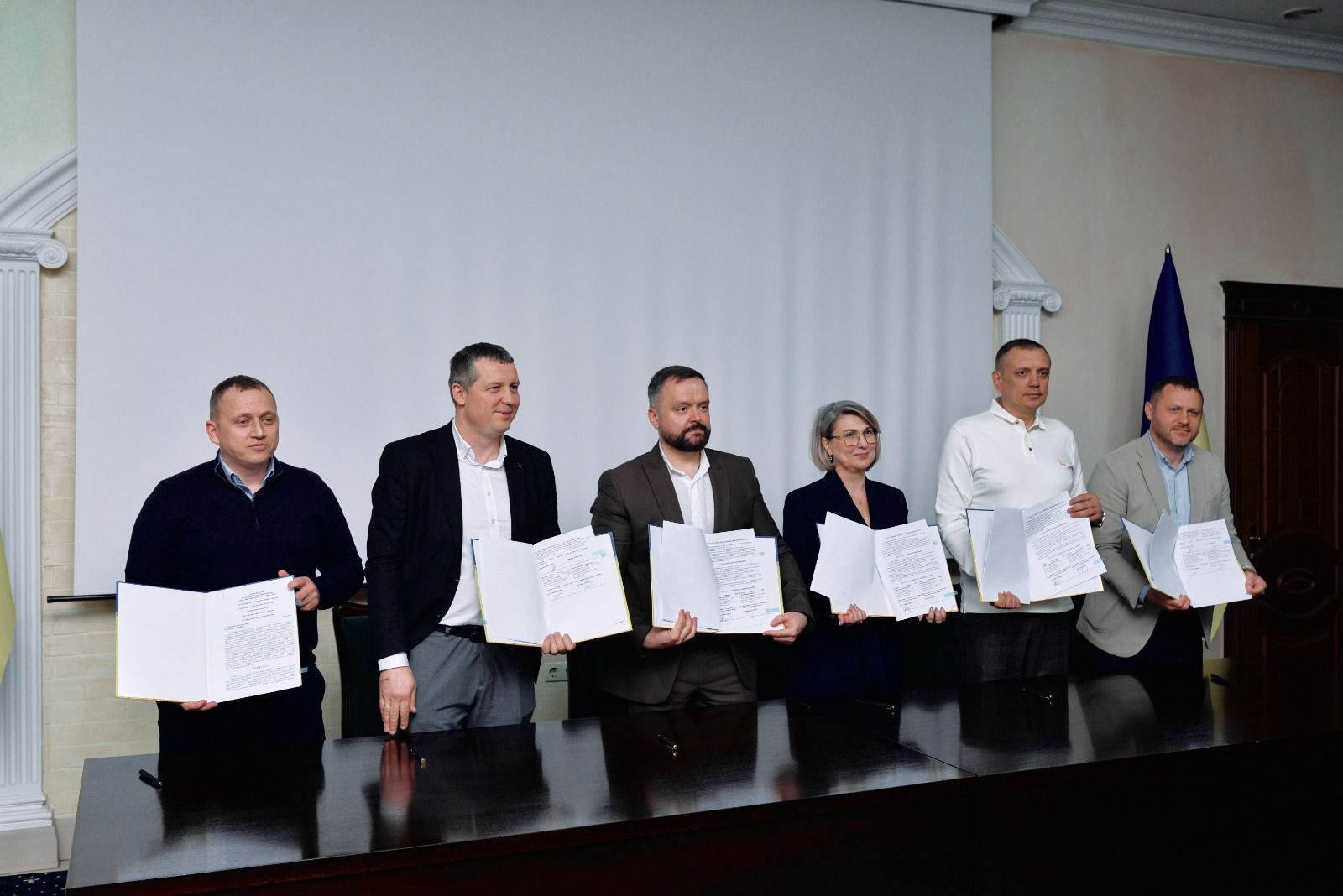
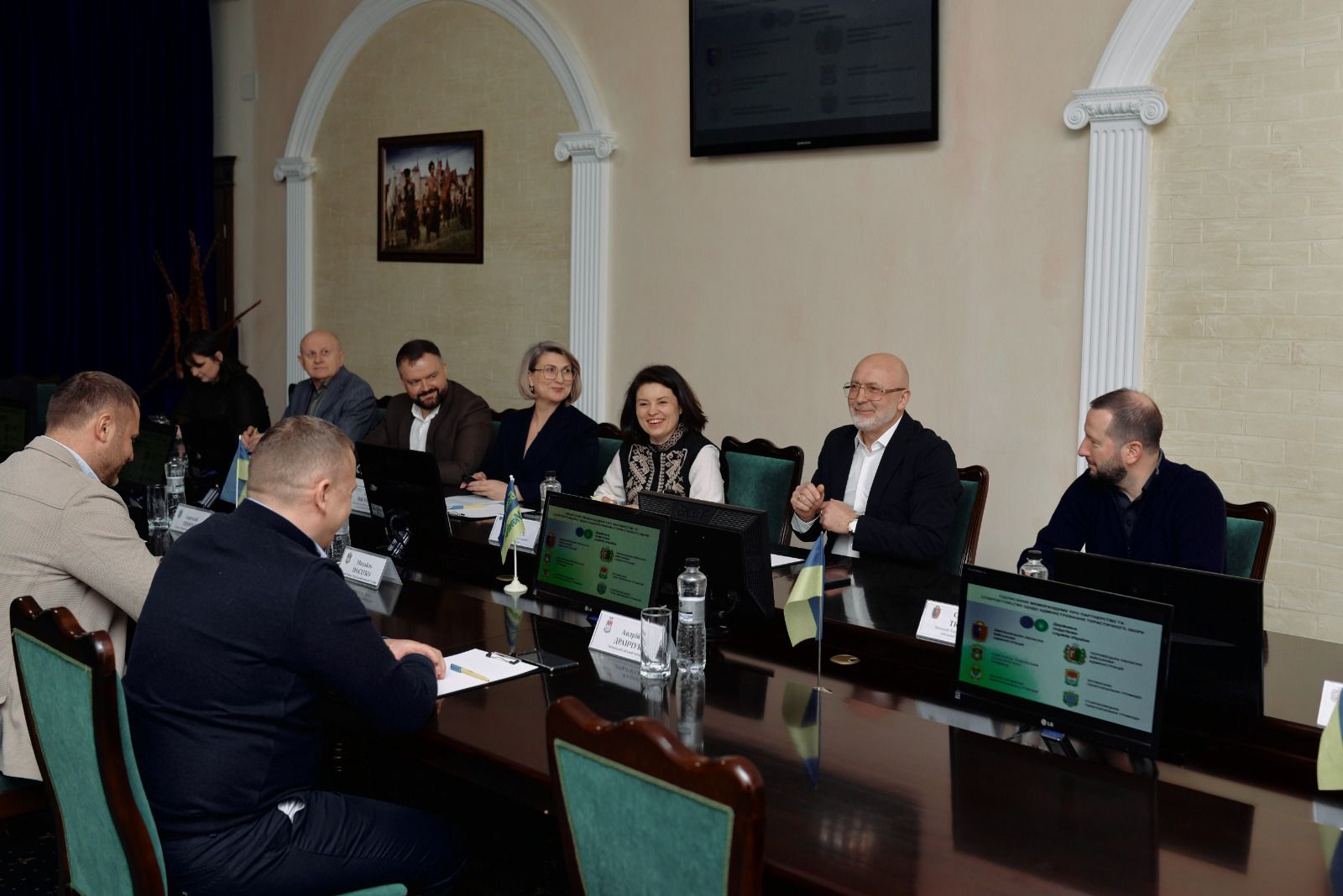
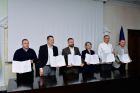
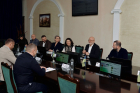
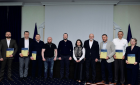
Main Directorates of the State Tax Service in Khmelnytskyi and Chernivtsi regions, together with the Kamianets-Podilskyi, Khotyn, Kitayhorod and Staroushytska communities signed Memorandum of partnership and cooperation on the tourist tax administration.
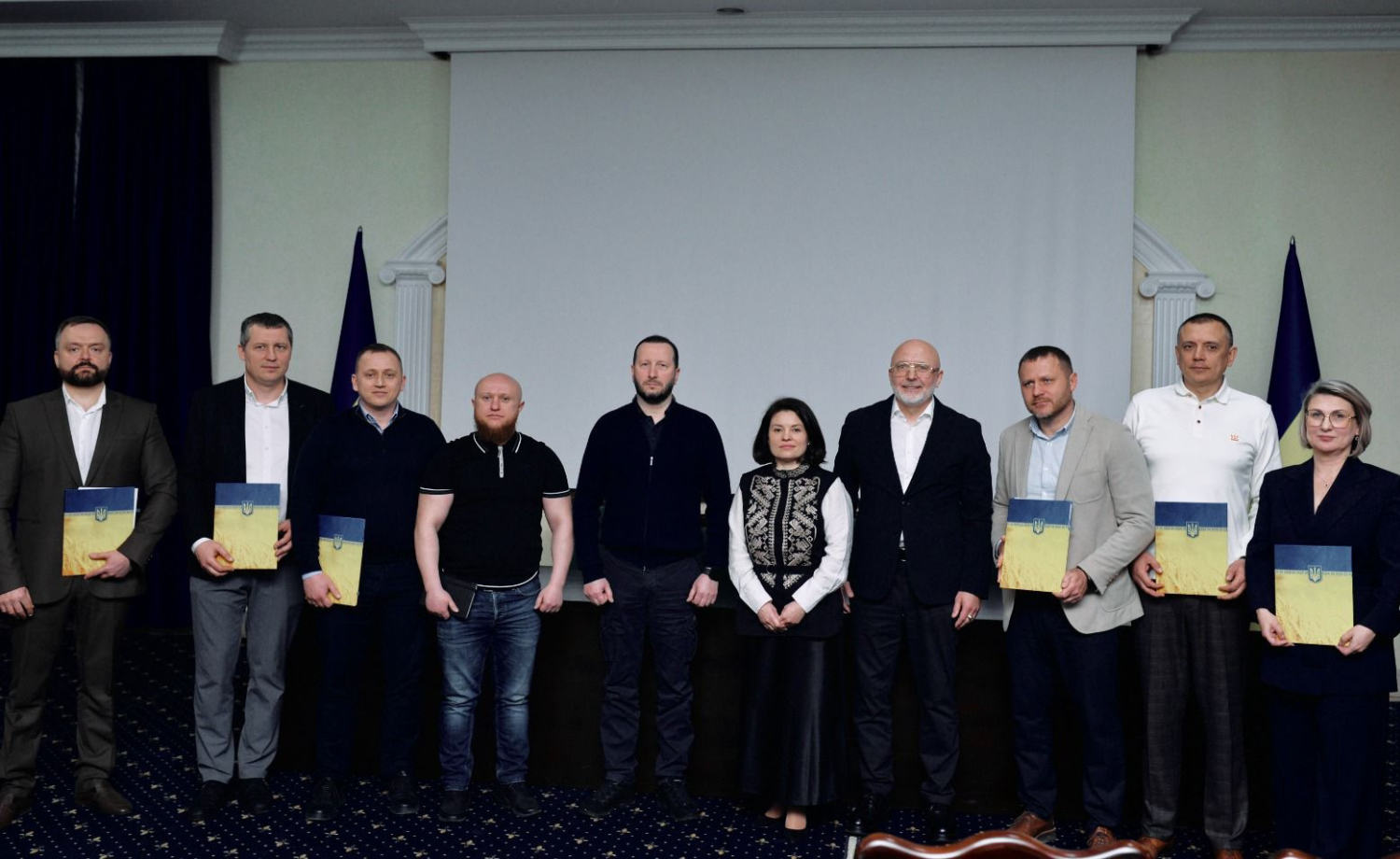
Event was also attended by acting Head of the State Tax Service Lesya Karnaukh, Head of Khmelnytskyi Regional Military Administration Serhii Tiurin, First Deputy Head of Chernivtsi Regional Military Administration Vitalii Bondar and People’s Deputy Ihor Marchuk.
This is one more step towards mature cooperation model between the State Tax Service and local governments.
In the decentralization context, such cooperation is of particular importance, as it corresponds to approaches laid down in the National Revenue Strategy until 2030. They provide for a gradual expansion of the role of local governments in tax administration.
“State Tax Service supports expanding community participation in the tax administration process. But we advocate balanced, phased approach. Tax administration is not just about functions. It is about processes, information systems, access to data and responsibility for the result” – Lesya Karnaukh noted.
According to her, Khmelnytskyi and Bukovyna regions will be the first to gain practical experience in implementing new mechanisms. Joint work of tax authorities and communities should transform tourism potential of the regions into real economic results, strengthening financial capacity of territories and increasing their investment attractiveness.
Within the cooperation framework, over the next 6 months, the parties will regularly exchange information, conduct joint analytical work and identify potential risks of the under-receipt of budget revenues.
Relevance of such changes is obvious. Today, the tourist tax is not collected in full: according to various estimates, up to 20 – 30% of temporary accommodation market is in the shadows. This means that services are provided, but taxes are not paid. Communities have potential, but do not receive the resource.
Among the main reasons: significant rental part is carried out through the online platforms, real number of tourists is often not reflected. Sometimes benefits are applied where they should not be.
“In essence, this will be joint work on identifying new payers and taxation objects, involving them in official activities, monitoring completeness of payment of taxes and levies” – emphasized acting Head of the State Tax Service.
Special attention will be paid to methodological support of communities, as well as explanatory work among the payers.
“I am convinced that only through open interaction and dialogue we can build the system that works not formally, but effectively” – Lesya Karnaukh underscored.