Головна сторінка Державної податкової служби України
 The only state web portal
of electronic services

-
State Tax Service
of Ukraine - Contacts
The only state web portal
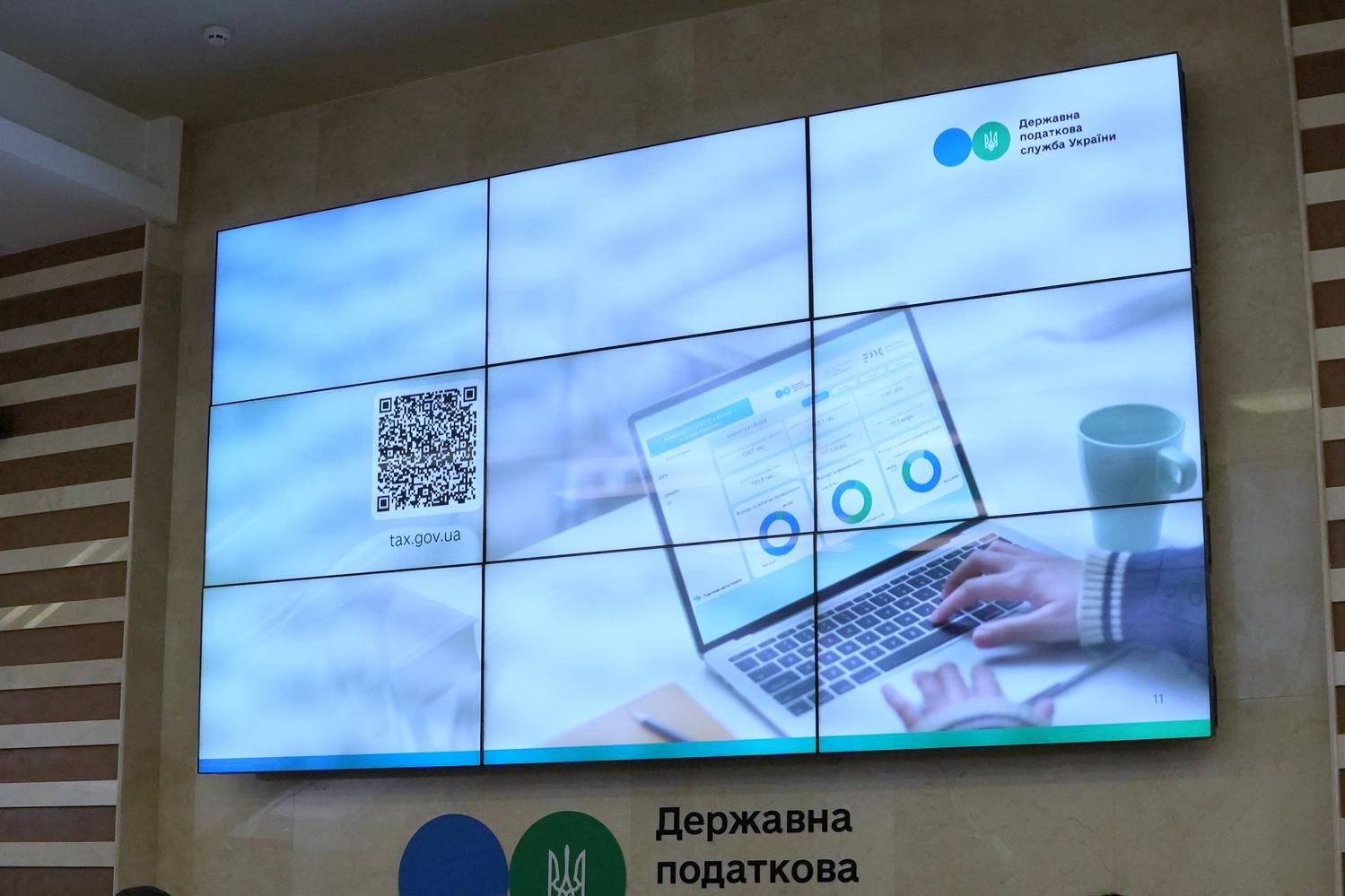
State Tax Service expands list of digital tools. Today, another interactive dashboard “RRO/PRRO analytics in Ukraine: key indicators” has been launched.
New tool was presented by acting Head of the State Tax Service Lesya Karnaukh during the meeting with representatives of business associations.
Dashboard is already posted on the State Tax Service’s web portal – https://surl.li/hzmgyp
The tool is a result of joint work between the State Tax Service, Fiscal Policy Research Center (FPRC) and International Renaissance Foundation.
“This, in essence, is open data about how the country’s economy actually works” – Lesya Karnaukh said.
What the dashboard shows:
- use of RRO and PRRO according to fiscal checks;
- market activity of business;
- scale and structure of settlement transactions;
- actual economic “pulse” of the country.
For whom this information is useful for:
- business – to see market activity,
- media and experts – to work with objective economic indicators,
- society – to understand structure of settlements,
- authorities – to analyze fiscalization by region.
Dashboard uses depersonalized and aggregated data from 2025 to the first quarter of 2026 and will be updated monthly with data for the previous period.
Data is depersonalized and available to everyone.
Dashboard consists of 4 sections:
Analytics shows generalized picture:
- how many business entities work with RRO/PRRO;
- how many RRO/PRRO are registered and actually used;
- what is the total volume of transactions, including separately excisable products;
- what the payment form is.
Dynamics indicates how the indicators change from month to month:
- ratio of cash and non-cash payments;
- dynamics of excisable product sales.
Table provides a breakdown by region in the number of:
- registered RRO/PRRO;
- settlement volumes;
- sales volumes of excisable products.
Map that visually shows economic activity across the country:
- where the biggest number of payments through the RRO/PRRO are concentrated;
- where activity is lower.
We will constantly modernize the dashboard!
Next steps:
- expansion of comparative analytics, particularly ability to analyze changes over the time and compare indicators with the previous periods;
- deepening of analytical sections by regions, types of business and forms of settlements;
- increasing clarity of data presentation through generalized conclusions and visual indicators.
“State Tax Service is taking another step towards the system where decisions are made based on facts and analytics, not assumptions” – emphasized acting Head of the State Tax Service.