Головна сторінка Державної податкової служби України
 The only state web portal
of electronic services

-
State Tax Service
of Ukraine - Contacts
The only state web portal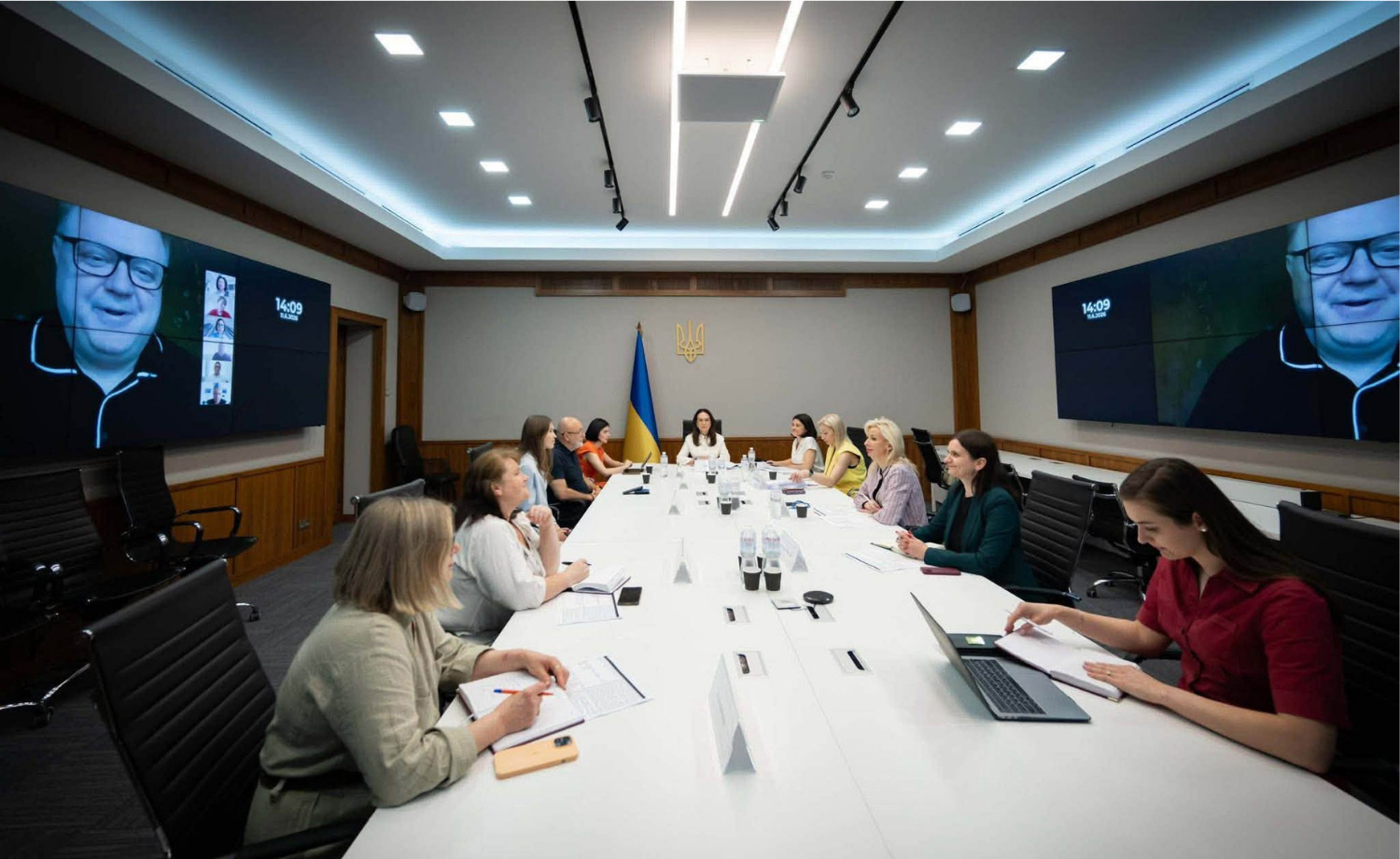
Tax invoices blocking is currently 0.14%. State Tax Service’s team has managed to achieve that business does not call this the top problem.
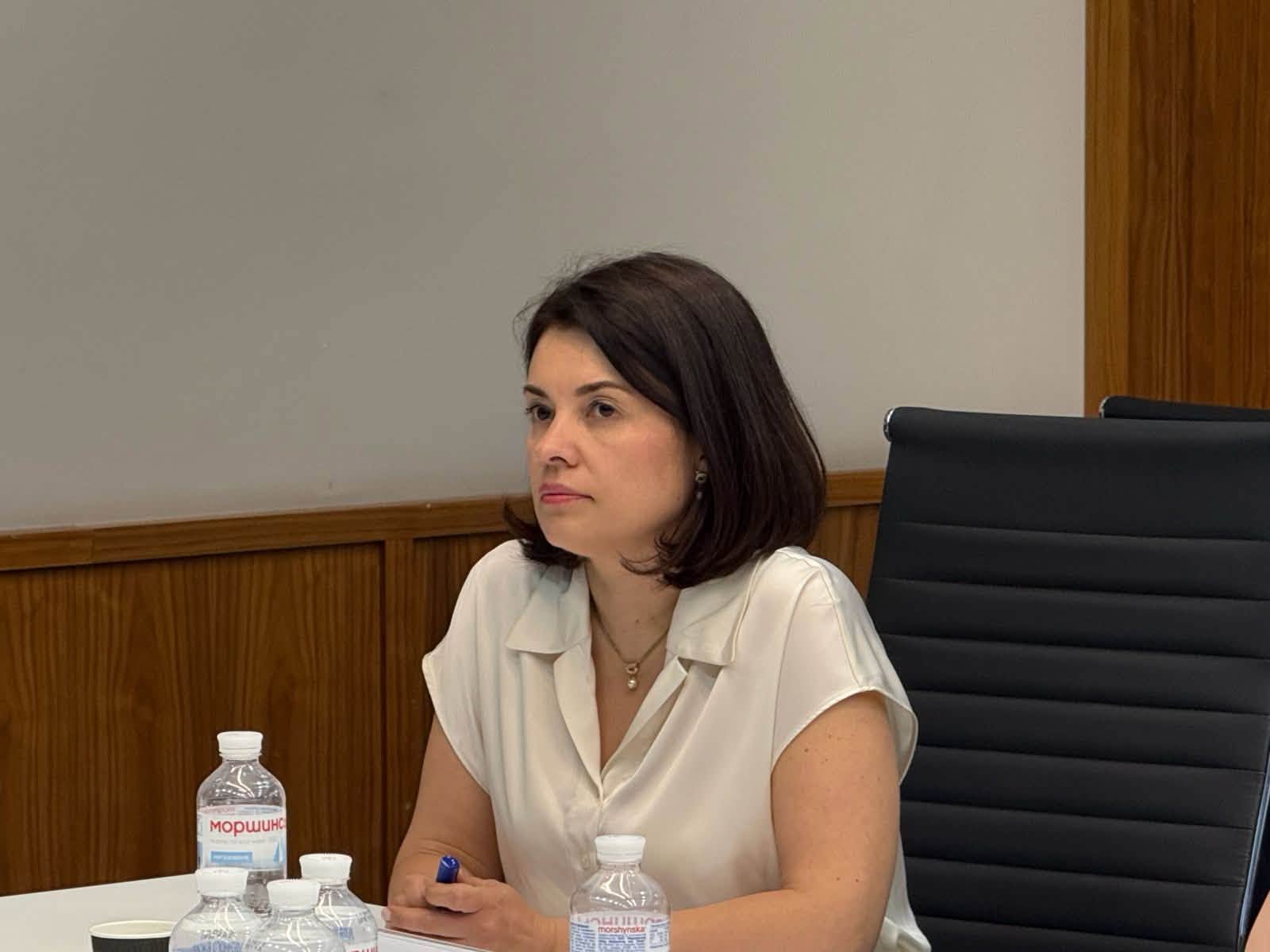
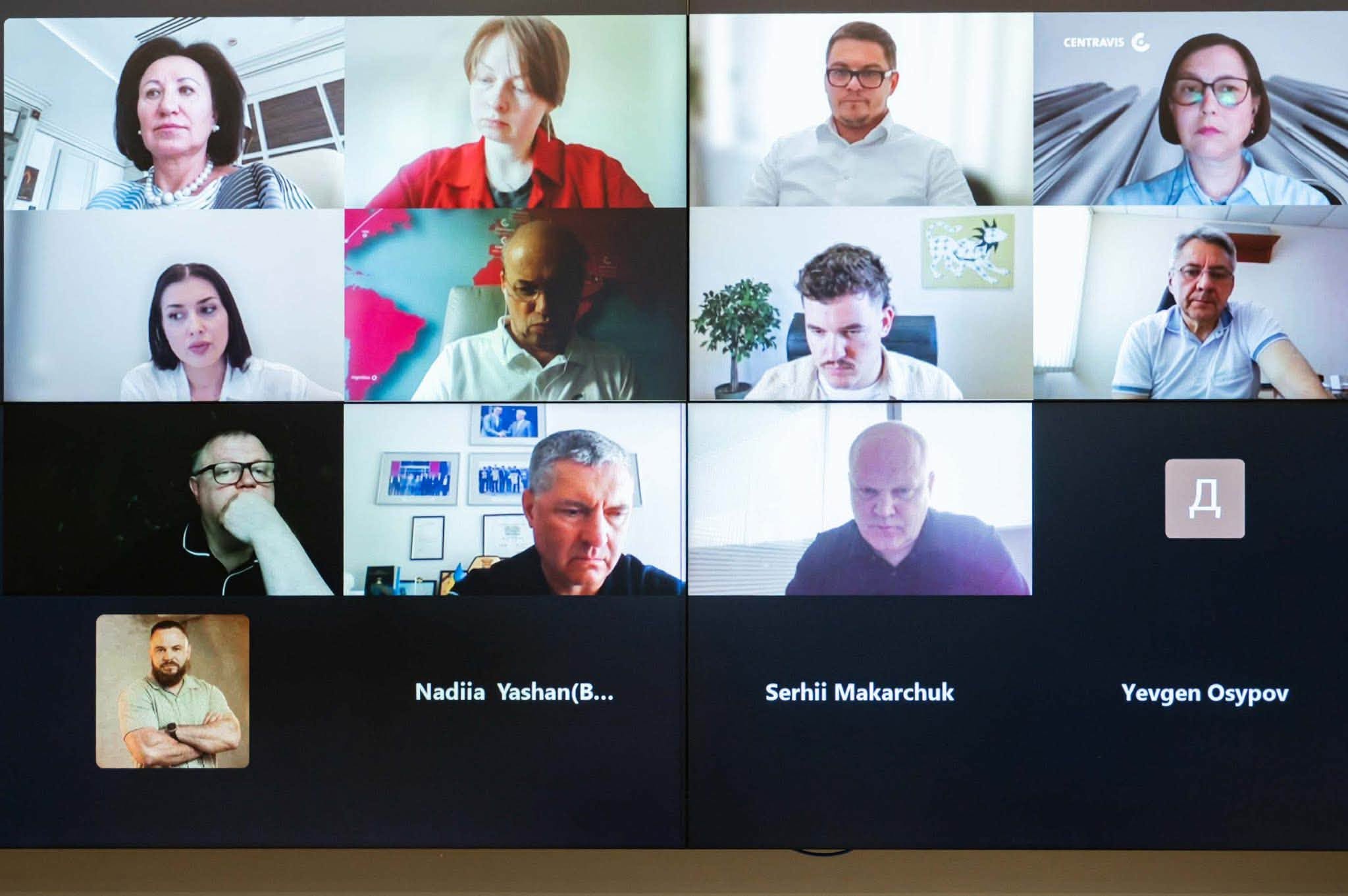
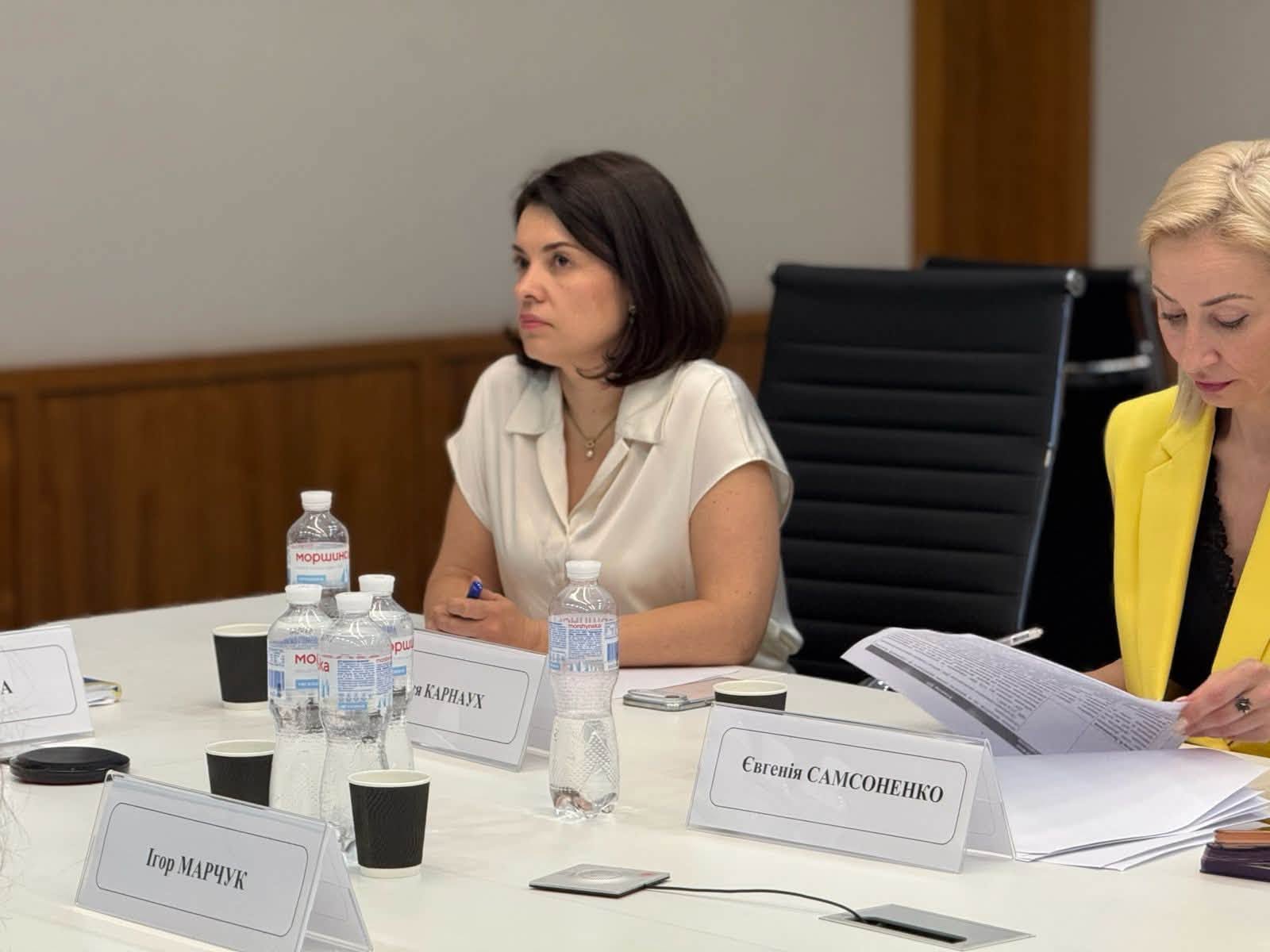
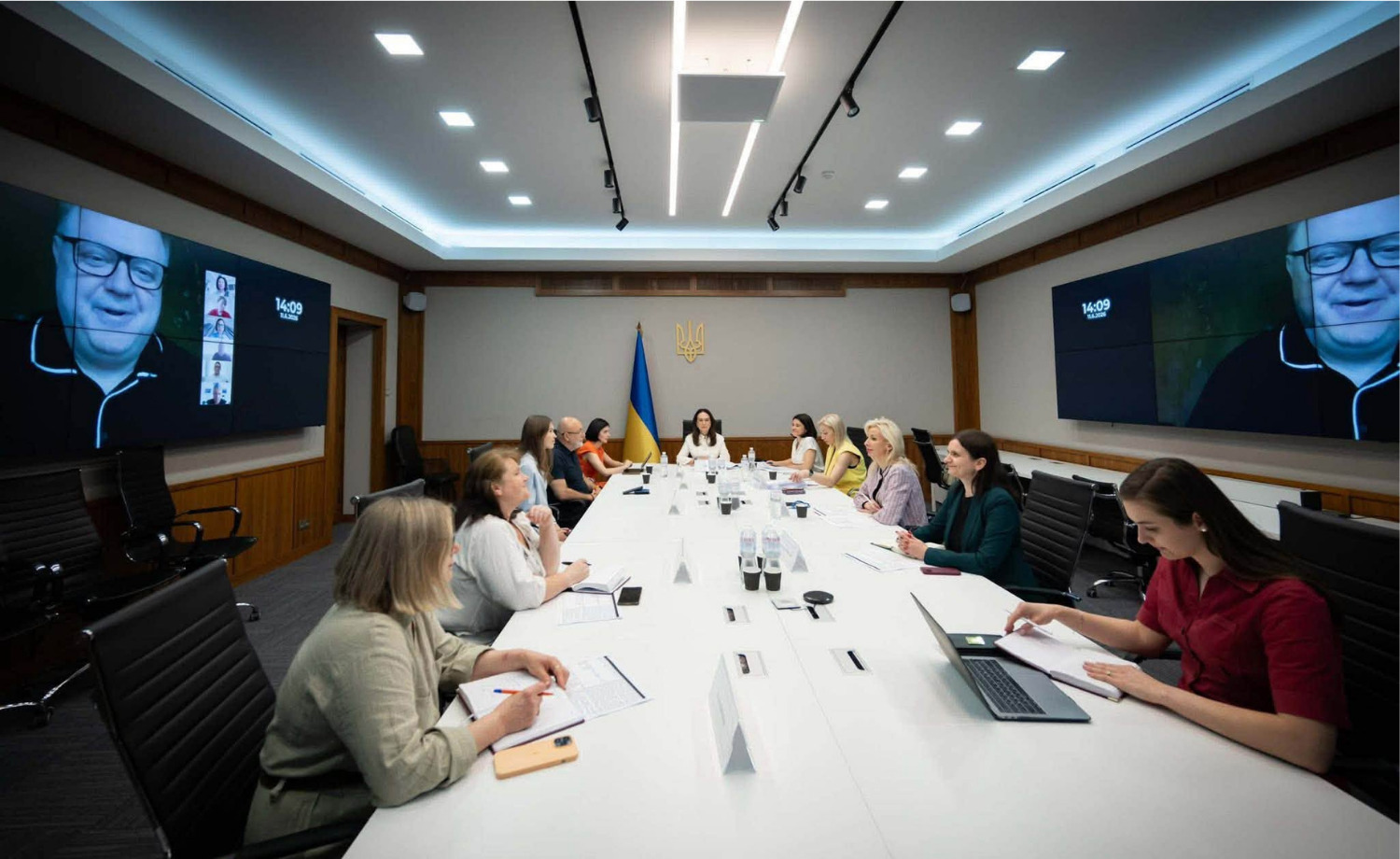
This was stated by acting Head of the State Tax Service Lesya Karnaukh during a preparatory meeting for meeting of the Council for Entrepreneurship Support under the President of Ukraine.
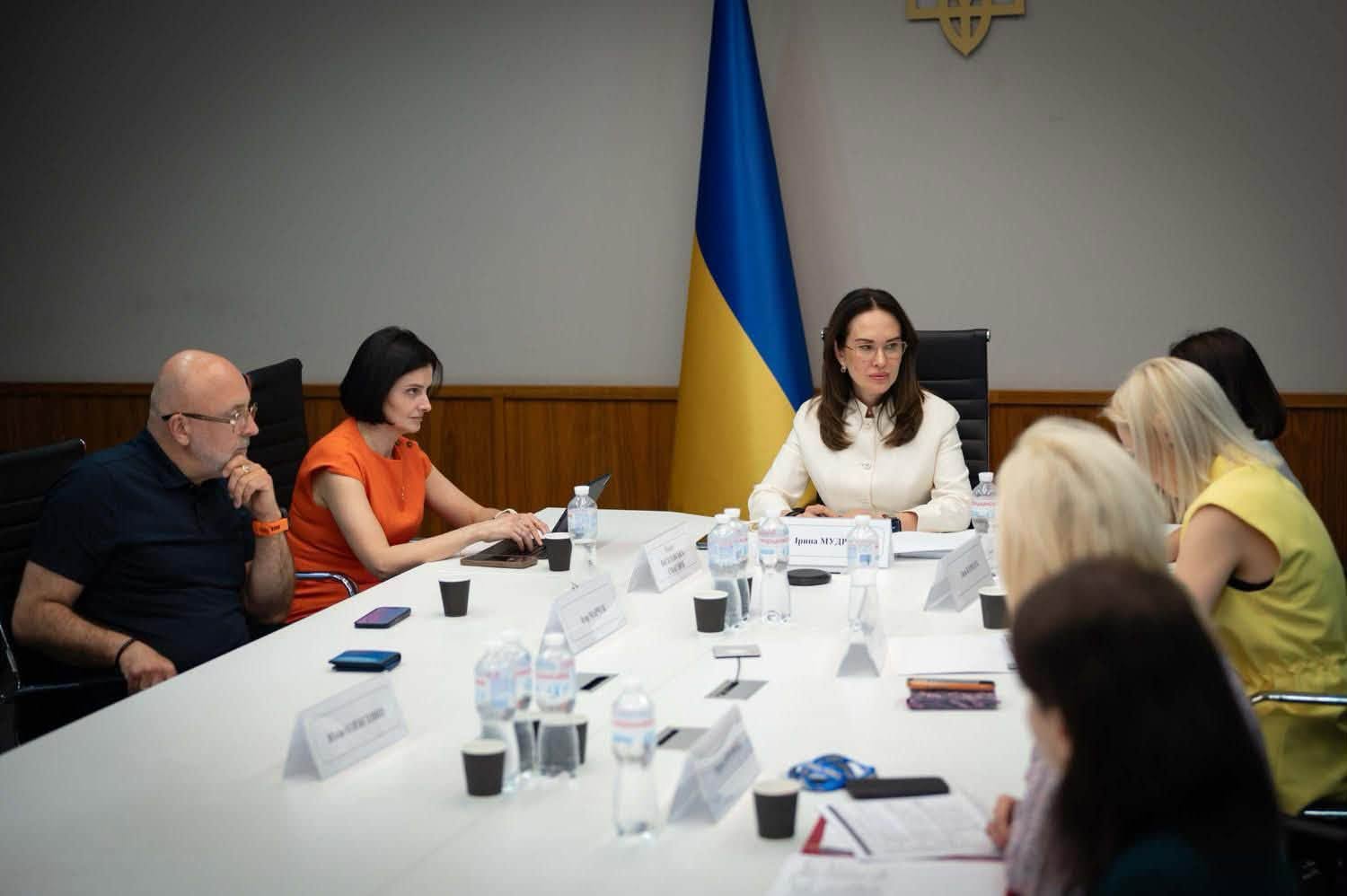
Meeting was chaired by Deputy Head of the President’s Office Iryna Mudra, with participation of People’s Deputies Ihor Marchuk and Olha Vasylevska-Smahliuk.
“A year and a half ago, this was the top problem for business. Today, according to a survey of entrepreneurs via the Pulse platform, it is not even among the top three problems. At the beginning of 2025, blocking level of tax invoices reached 0.76%. Today, it is 0.14%. And we continue to work on improving risk assessment criteria monitoring system” – said acting Head of the State Tax Service.
There are many tax questions that concern business. Each team of the State Tax Service analyzes them in detail, explains logic of certain decisions.
During the meeting, questions related to tax audits were discussed. Since the beginning of moratorium, the State Tax Service has already reduced number of actual audits by a third.
“Our main principle is not a total control, but a focus on those taxpayers who use aggressive tax minimization schemes. We conduct all audits exclusively on the basis of the Tax Code and taking into account risk-based approach. Our approach is not punishment, but prevention of violations” – added acting Head of the State Tax Service.
Another important question is business fragmentation.
Lesya Karnaukh noted that positive thing she heard from entrepreneurs is that business is interested in equal and transparent rules of work. As both honest business and the state suffer from the “schemers”.
“My position remains unchanged – simplified system needs modernization. At one time, it became important tool for supporting entrepreneurship. But the economy is changing and today it needs modernization to remain effective and fair” – she added.
Participants also discussed development of digital services, electronic document management, VAT refunding, un-shadowing and access to banking secrecy.
Lesya Karnaukh emphasized that such dialogue is not just about compromise. It is about how to jointly create conditions for business to work transparently. That is when communities, army and the state receive more resources.